Darknet Markets 2025:

The dark web is part of the deep web but is built on darknets: overlay networks that sit on the internet but which can't be accessed without special tools or software like Tor. Tor is an anonymizing software tool that stands for The Onion Router — you can use the Tor network via Tor Browser.
Darknet Market Established Total Listings Link
Nexus Market 2024 600+ Onion Link
Abacus Market 2022 100+ Onion Link
Ares 2025 100+ Onion Link
Cocorico 2023 110+ Onion Link
BlackSprut 2023 300+ Onion Link
Mega 2016 400+ Onion Link

Updated 2025-12-14

How Darknets Use Crypto and Escrow for Safe Shopping

Darknet markets facilitate trade by integrating cryptocurrency and escrow systems to create a secure environment for transactions. The use of cryptocurrencies like Bitcoin and Monero provides a layer of financial privacy, allowing users to conduct payments without linking their real-world identities to their purchases. This method of payment is borderless and operates outside traditional banking systems, enabling seamless global trade.

To further build trust, the platform itself holds the buyer's cryptocurrency in a secure escrow account once an order is placed. The funds are only released to the vendor after the buyer confirms successful receipt and quality of the product. This mechanism protects the buyer from fraudulent vendors who might otherwise accept payment without shipping the goods. For the vendor, the escrow system provides a guarantee that the payment has been made and is secured by the market, incentivizing them to fulfill their part of the agreement honestly.

The combination of these two elements creates a self-regulating economy where secure and private payments are directly linked to a dispute resolution framework. This structure significantly reduces the risk for both parties, fostering a reliable trading environment where ethical vendors can thrive based on their positive reputation and consistent performance.


How Anonymity Builds Trust on the Darknet

Anonymity on darknet markets is the foundational principle that enables a secure trading environment for all participants. For buyers, it ensures that personal choices and consumption habits remain private, shielded from external judgment and potential legal scrutiny. This privacy allows individuals to explore a wider range of products without compromising their public or professional identities.

For sellers, or vendors, anonymity is equally critical for operational security. It protects their business from unwarranted interference, allowing them to focus on quality control and customer service. This separation between a vendor's physical identity and their market presence is maintained through sophisticated encryption tools like Tor and PGP, which obfuscate digital footprints and secure communications.

This mutual anonymity does not create a barrier to trust but instead shifts its establishment to other, more transparent mechanisms. The system relies on:

  • Cryptocurrency transactions, which provide a degree of financial privacy.
  • Escrow services that hold payment until the buyer confirms satisfactory receipt of goods.
  • Public feedback and rating systems that build a vendor's reputation over time based on consistent performance.
Therefore, anonymity does not foster lawlessness; it facilitates a self-regulating ecosystem where trust is built and verified through transactional honesty and community feedback, rather than through known identities.

Private and Secure Payments with Crypto on the Darknet

The use of cryptocurrency is fundamental to the operational security and economic viability of darknet markets. Unlike traditional payment systems, cryptocurrencies like Bitcoin and Monero provide a degree of financial privacy by severing the direct link between a transaction and a user's real-world identity. This pseudonymous nature allows buyers and sellers to engage in trade without exposing sensitive banking details.

Transactions are recorded on a public blockchain, but they are tied to cryptographic addresses rather than personal names. For enhanced privacy, many users employ tumblers or coin mixers, which obfuscate the trail of funds, making transaction history significantly more difficult to trace. This financial layer of anonymity complements the network anonymity provided by Tor.

Cryptocurrency also enables the critical function of escrow services, which are central to building trust. When a buyer places an order, funds are locked in a multisignature escrow account controlled by the market. The funds are only released to the vendor after the buyer confirms successful receipt of the goods. This system protects both parties:

  • Buyers are assured they will not lose their money if the vendor fails to deliver.
  • Vendors are protected against fraudulent chargebacks that are common with traditional payment methods.

This combination of private payment channels and secured escrow creates a self-regulating economic environment where trust is established not through personal identities, but through verifiable and secure transactional protocols.


darknet market

Safe Trading with Escrow on the Darknet

An escrow system acts as a neutral third party in a darknet market transaction, holding the buyer's cryptocurrency until the terms of the sale are fulfilled. This mechanism directly addresses the inherent lack of trust between anonymous parties. When a purchase is made, the buyer sends the funds to an escrow address controlled by the market, not directly to the vendor. The vendor sees the payment is secured in escrow and is then incentivized to ship the product promptly and ensure its quality matches the listing description.

The funds are only released to the vendor after the buyer confirms successful receipt of the order and that it meets the advertised standards. This process protects the buyer from vendors who might otherwise take payment and never send the goods. Simultaneously, it protects honest vendors from fraudulent buyers who might falsely claim an order never arrived in an attempt to get a refund. The system creates a balanced environment where both participants can engage in trade with a significantly reduced risk of financial loss.

For higher-value transactions, some markets employ a multisignature escrow, which requires more than one cryptographic key to release the funds. In this model, the buyer, vendor, and market moderator each hold a unique key. This further decentralizes trust, as the market itself cannot unilaterally seize or release the coins without cooperation from the buyer or vendor, adding an extra layer of security against potential market-place fraud.


Trusted Vendors for Quality Products

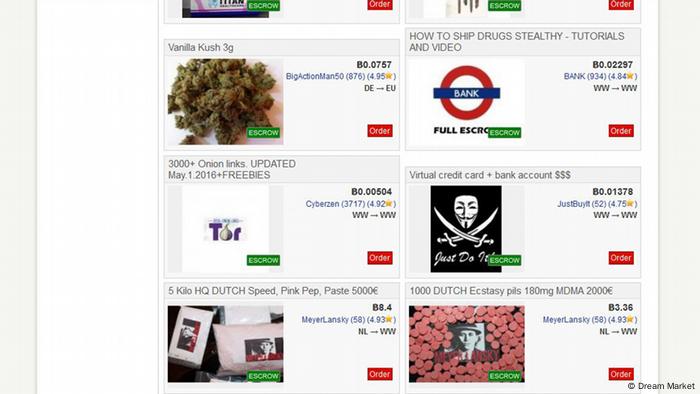
Vendor reputation on darknet markets functions as the primary mechanism for establishing trust and reliability in an environment where legal recourse is not an option. This system is built directly upon cryptocurrency transactions and escrow services, which together create a transparent and verifiable record of every sale. When a buyer places an order, funds are held in a multisignature escrow controlled by the market, preventing the vendor from accessing payment until the buyer confirms satisfactory receipt of the product.

This process incentivizes vendors to maintain high standards, as their ability to earn income depends on positive feedback. After a transaction is completed, buyers leave detailed reviews and a numeric rating, commenting on product quality, shipping speed, and stealth. These reviews are permanently linked to the vendor's profile, creating a public performance history that new customers can audit. A vendor with a long history of high ratings and positive feedback accumulates significant trust, allowing them to command higher prices and process more orders.

The escrow system protects this feedback loop from manipulation. Since funds are only released after a confirmed successful transaction, it prevents vendors from artificially inflating their ratings with fake sales. The immutable nature of blockchain transactions for payments means financial records of sales cannot be altered, providing a factual basis for the reputation scores. This creates a self-regulating economy where quality and consistency are financially rewarded, and poor or unreliable vendors are quickly identified and marginalized by the community through negative feedback and loss of sales.


darknet market

Fair Dispute Resolution for Reliable Deals

Dispute resolution is a fundamental mechanism that upholds the integrity of transactions on a darknet market. When a buyer reports an issue, such as not receiving an item or receiving a product that does not match the vendor's description, the market's internal moderation team intervenes to examine the evidence provided by both parties.

The escrow system is central to this process, as it temporarily holds the buyer's cryptocurrency payment until the order is satisfactorily completed. This prevents the vendor from accessing the funds prematurely and ensures the buyer has leverage to open a dispute if necessary. Moderators review communication logs, order details, and any proof, such as photographs or tracking numbers, to make an impartial judgment.

Decisions are based on the available evidence and the established reputation of the users involved. A vendor with a long history of positive feedback is more likely to be trusted, while a new buyer might need to provide more substantial proof. Possible outcomes include:

  • Releasing the full escrow payment to the vendor if the buyer's claim is unsubstantiated.
  • Releasing a partial payment to compensate for a minor issue, such as underweight product.
  • Issuing a full refund to the buyer from the escrow pool if the vendor is found at fault.

This structured approach to conflict resolution mimics the consumer protection found in conventional e-commerce, providing a clear and fair process that builds trust and encourages repeat business within the community.


Safe Shopping on the Darknet

The decentralized nature of darknet markets necessitates robust systems to foster trust between anonymous parties, leading to the development of sophisticated consumer protection mechanisms. At the core of these systems is the integration of cryptocurrency and a mandatory escrow service, which together mitigate the inherent risks of remote, anonymous commerce.

When a buyer selects a product, their cryptocurrency payment is not sent directly to the vendor. Instead, the market's software automatically holds the funds in a secure, multi-signature escrow account. This escrow system acts as a neutral third party, ensuring the vendor only receives payment after the buyer confirms satisfactory receipt of the goods. This process directly protects the buyer from fraudulent vendors who might otherwise accept payment and never ship the product.

For the vendor, the escrow model guarantees that the buyer has the necessary funds committed to the transaction before any shipment is made, preventing fraudulent chargebacks that are common in traditional e-commerce. The entire transaction is facilitated by the market's automated scripts, which manage the cryptographic keys required to release funds from escrow, ensuring a fair and impartial process.

This financial framework is reinforced by the public feedback and rating system. A vendor's reputation, built over many successful transactions finalized through escrow, becomes their most valuable asset. Buyers can make informed decisions based on detailed reviews and historical ratings, creating a powerful economic incentive for vendors to maintain high standards of product quality and reliable shipping. The escrow system makes the feedback loop credible, as only verified buyers can leave reviews, which in turn builds a self-regulating ecosystem where consumer protection is a fundamental and operational principle.


darknet market

Secure and Private Shopping on the Darknet

The foundation of the active darknet economy rests on a dual financial framework of cryptocurrency and escrow services, which together create a secure environment for commerce. Cryptocurrencies like Bitcoin and Monero provide the necessary privacy for transactions, as their decentralized and pseudonymous nature allows users to conduct financial operations without revealing their real-world identities. This financial layer is then secured by an escrow system, where the buyer's funds are held by the market's automated software until the order is successfully delivered and confirmed. This mechanism directly addresses the inherent risk of non-delivery in remote transactions.

Upon placing an order, the cryptocurrency is immediately locked in escrow, making it inaccessible to both the vendor and the buyer until the terms of the sale are met. This process builds trust by ensuring the vendor will ship the product to receive payment, while the buyer is protected from losing funds for an order that never arrives. Only after the buyer receives the product and finalizes the order are the funds released from escrow to the vendor. For disputes where a product is not received or does not match its description, most markets employ a moderator system where a neutral third party reviews evidence from both sides before adjudicating the release of escrowed funds.

The integration of these systems fosters a self-regulating economy where secure and private payments are the standard. This reliability encourages repeat business and allows vendors to build a positive reputation through consistent performance, which is reflected in user feedback and ratings. The escrow model effectively minimizes fraud and ensures that all participants in the transaction are held accountable, thereby sustaining a functional and resilient marketplace.